












Fatty Liver Repair Through Diet: Best Foods to Support Liver Health Naturally
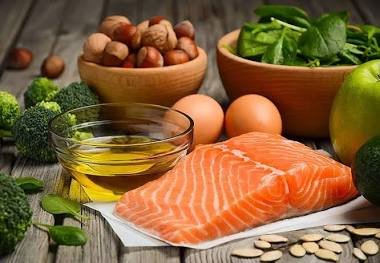
Looking to reduce liver fat naturally? Explore top anti-inflammatory foods, sulforaphane-rich veggies, and omega-3s that support your liver’s natural repair.
By: Treatment By Food Editorial Team | Reviewed on: July 2026
Bottom Line Up Front (BLUF)
Your liver has an incredible ability to repair itself, but it needs the right nutrients and lifestyle habits to do so. A diet rich in whole foods, fiber, healthy fats, and antioxidants can help reduce liver fat, improve liver function, and lower the risk of developing more serious liver disease.
Key Active Compounds That Support Liver Health
Certain nutrients found in whole foods play a powerful role in protecting and repairing the liver.
-
- Antioxidants (Vitamin C, Vitamin E & Polyphenols): Help neutralize harmful free radicals, reducing inflammation and protecting liver cells from damage.
-
- Omega-3 Fatty Acids: Found in oily fish, these healthy fats help decrease liver fat accumulation, improve cholesterol levels, and reduce inflammation.
-
- Sulforaphane: A natural compound found in broccoli, cabbage, cauliflower, and other cruciferous vegetables that supports the liver’s natural detoxification processes.
-
- Dietary Fiber: Present in fruits, vegetables, legumes, and whole grains, fiber improves insulin sensitivity, supports gut health, and helps reduce fat buildup in the liver.
1. Helps Reduce Fat Accumulation in the Liver
One of the primary causes of fatty liver disease is excess fat being stored inside liver cells. This is commonly associated with obesity, insulin resistance, type 2 diabetes, elevated cholesterol, and diets high in sugar and processed foods.
Replacing refined carbohydrates and sugary drinks with whole grains, vegetables, legumes, lean proteins, and healthy fats helps your liver process nutrients more efficiently while reducing excess fat storage.
Even modest weight loss achieved through healthy eating and regular physical activity has been shown to significantly improve fatty liver in many individuals.
2. Supports Natural Detoxification and Liver Repair
The liver performs hundreds of essential tasks every day, including filtering toxins, metabolizing nutrients, and producing important proteins.
Nutrient-rich foods supply the vitamins, minerals, and antioxidants needed for these processes. Leafy greens, berries, broccoli, cauliflower, cabbage, garlic, and citrus fruits provide compounds that support the liver’s natural detoxification pathways while helping reduce oxidative stress.
Healthy protein sources—including fish, eggs, lean meats, tofu, beans, nuts, and seeds—also provide amino acids required for liver tissue maintenance and repair.
3. Reduces Inflammation and Lowers the Risk of Liver Disease
Chronic inflammation is one of the major drivers of fatty liver progression and can eventually lead to fibrosis, cirrhosis, or even liver cancer if left unmanaged.
Choosing anti-inflammatory foods such as salmon, sardines, walnuts, berries, leafy greens, olive oil, and legumes helps protect liver cells while improving overall metabolic health.
Equally important is limiting foods that increase inflammation, including processed snacks, fast foods, sugary beverages, refined grains, and excessive alcohol consumption.
Maximizing Bioavailability & Preparation
Simple food combinations can enhance nutrient absorption and maximize the liver-protective benefits of your meals.
-
- Pair colorful vegetables with healthy fats. Drizzle olive oil over salads or cooked vegetables to improve the absorption of fat-soluble vitamins and antioxidants.
- Eat cruciferous vegetables several times a week. Lightly steaming broccoli, cauliflower, cabbage, or Brussels sprouts helps preserve beneficial compounds like sulforaphane while improving digestibility.
-
- Include omega-3-rich fish two to three times weekly. Salmon, sardines, trout, and mackerel provide healthy fats that help reduce liver fat and inflammation.
Recommended Daily Intake & Precautions
A liver-friendly eating pattern focuses on consistency rather than strict dieting.
Aim to consume:
-
- At least 5 servings of vegetables and fruits daily
-
- Whole grains instead of refined grains
-
- Fish rich in omega-3 fatty acids two to three times per week
-
- Legumes, nuts, or seeds regularly as part of balanced meals
-
- Plenty of water while limiting sugar-sweetened beverages and alcohol
If you are overweight, losing 5–10% of your body weight under medical guidance can significantly improve fatty liver. Individuals with advanced fatty liver disease, cirrhosis, diabetes, or other chronic medical conditions should consult a healthcare professional before making major dietary changes.
NIH / PubMed study and American Association for the Study of Liver Diseases (AASLD) guideline
Foods to Include More Often
-
- Leafy green vegetables
-
- Broccoli, cauliflower, cabbage, and Brussels sprouts
-
- Berries
-
- Citrus fruits
-
- Beans and lentils
-
- Whole grains
-
- Salmon, sardines, and other oily fish
-
- Nuts and seeds
-
- Plain yogurt and other low-fat dairy products
-
- Olive oil
Foods to Limit
-
- Sugary soft drinks and energy drinks
-
- Processed and packaged snacks
-
- Fast food
-
- White bread, white rice, and refined pasta
-
- Foods high in added sugar
-
- Excessive alcohol
-
- Deep-fried foods and foods high in trans fats
Healthy Lifestyle Habits That Protect Your Liver
Nutrition works best when combined with healthy daily habits. Maintaining a healthy body weight, staying physically active, getting adequate sleep, and monitoring cholesterol and blood sugar levels all contribute to better liver health.
If you have been diagnosed with fatty liver disease, regular follow-up with your healthcare provider is important to monitor your progress and prevent complications.
Medical Disclaimer
This article is intended for educational purposes only and should not replace professional medical advice, diagnosis, or treatment. Always consult your physician or a qualified healthcare provider before making significant dietary or lifestyle changes, especially if you have liver disease or other chronic health conditions.